What a standby generator is
A standby generator, also called a whole house or home standby generator, is a permanent backup power system. It looks a bit like a central air conditioner unit and sits outside on a pad near your house. Inside the enclosure is an engine that runs on natural gas or propane and turns an alternator to make electricity.
What makes it "standby" is the automatic transfer switch. The switch is wired between the utility service and your electrical panel and watches the incoming power all the time. When the utility power drops, the switch tells the generator to start, waits a few seconds for it to come up to speed, then disconnects your house from the utility lines and connects it to the generator. When utility power returns and holds steady, the switch moves your house back to the grid and the generator cools down and shuts off.
All of this happens without anyone touching it. You can be asleep, at work or out of town.

Standby vs. portable generators
Portable generators have their place, and plenty of eastern NC households have one in the shed. But anyone who has run one through a long outage knows the drawbacks:
- Fuel. A portable burns through gasoline quickly. After a big storm, gas stations may be closed, out of fuel or without power themselves. A standby runs on natural gas or a propane tank that was filled before the storm.
- Effort and weather. Someone has to roll it out, start it, run cords or connect it to a transfer switch, and refuel it, often in wind and rain.
- Capacity. Most portables can't start a central air conditioner or heat pump, and few can run a well pump, refrigerator and water heater at the same time.
- Safety. Portables are a leading cause of carbon monoxide poisoning after hurricanes because people run them in garages or too close to windows. A standby is permanently installed outdoors at the clearances the manufacturer and code require.
- Being away. A portable does nothing if you've evacuated or are stuck at work. A standby keeps the freezer cold and the sump pump running whether you're there or not.
If you want to keep using a portable, a transfer switch or interlock kit is the safe way to connect it.
Sizing: what do you want to run?
Generator size is measured in kilowatts (kW). Air-cooled home standby units cover the range most houses need, and larger liquid-cooled units are used for big homes and businesses. The right size comes from what you want running at the same time, and especially from what has to start at the same time, since motors like air conditioners and well pumps draw a surge when they start.
An installer will usually ask about:
- Heating and cooling. Central air, heat pumps and electric heat are the biggest loads in most eastern NC homes. Gas furnaces need far less.
- Well pump. Many homes outside town limits are on wells. No power means no water, so the well pump is usually first on the list.
- Water heater, range and dryer. Electric versions are large loads. You may decide they can wait until the grid is back.
- Refrigerators and freezers. Small loads, but critical in a week-long outage.
- Sump pumps and sewage lift pumps. Important in low-lying yards and homes near the rivers and sounds.
- Medical equipment. Oxygen concentrators, CPAP machines and refrigerated medications.
From there you choose between whole-house coverage and an essential-circuits setup. Whole-house coverage uses a larger generator and a service-rated transfer switch, and often load-management modules that hold back large appliances until there is spare capacity. An essential-circuits system moves selected circuits to a separate small panel that the generator feeds. Either way, the installer does a load calculation rather than guessing.
How installation works
Site visit
An installer walks the property, looks at your electrical panel and gas or propane setup, and picks a spot for the unit that meets clearance and flood rules.
Sizing
You decide what should run during an outage, from a few essential circuits to the whole house. That choice sets the generator size and the transfer switch.
Permit
The contractor pulls the electrical permit, and a gas or plumbing permit where needed, from the city or county that covers your address.
Gas line or propane tank
Natural gas homes may need a meter upgrade from the gas company. Propane homes get a tank sized for multi-day run time and a line to the unit.
Installation
The pad is set, the generator is placed and the transfer switch is wired into your panel. Most residential installs take one to two days on site.
Inspection and startup
The local inspector signs off, the unit is started and tested under load, and you are shown how it exercises itself and how to check it.
Where the generator goes
Placement is where a lot of the planning happens:
- Clearances. The unit has to sit a minimum distance from windows, doors, vents and other openings so exhaust can't get into the house, with room around it for air flow and service. The installer follows the manufacturer's instructions and local code.
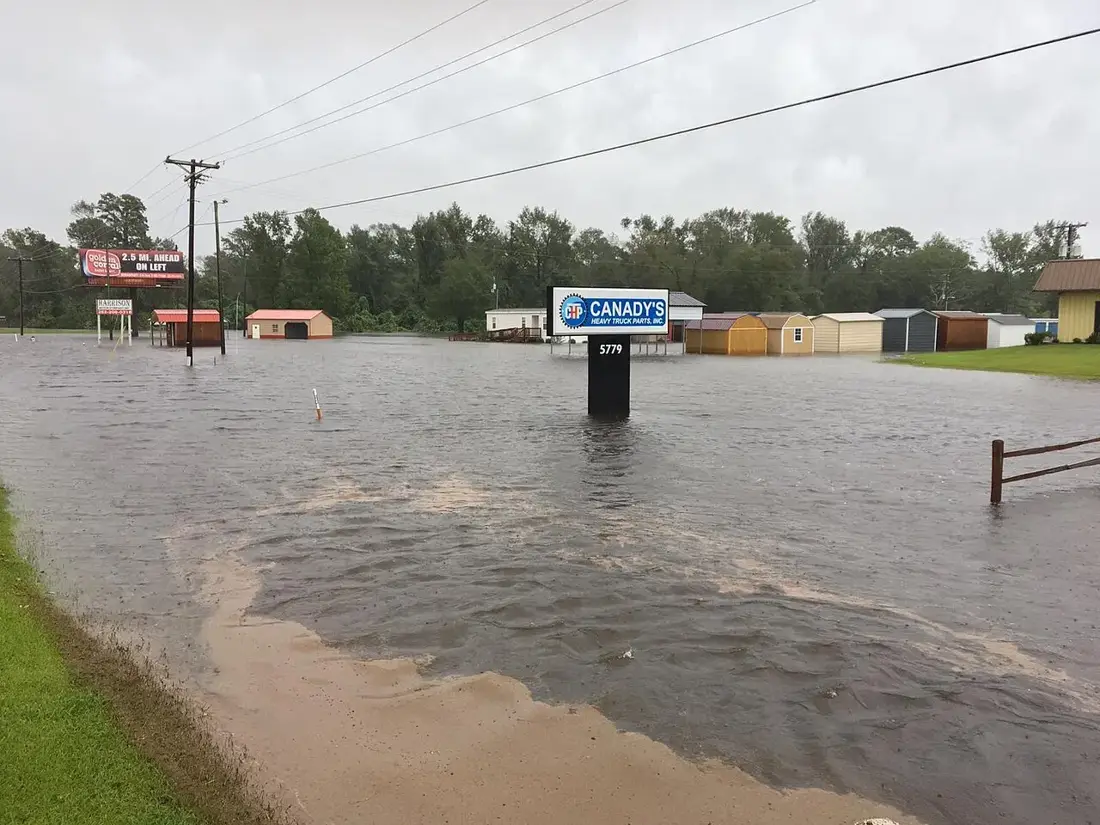
- Flooding. In flood-prone parts of eastern NC, the unit and its electrical connections may need to be raised above the local flood elevation. The installer checks your flood zone before choosing a height.
- Distance to panel and gas. Shorter runs to the electrical panel and to the gas meter or propane tank keep costs down.
- Noise and looks. Most owners prefer a side yard away from bedrooms and patios. Modern units are much quieter than a portable, and they run their weekly self-test at a time you choose.
Fuel: natural gas or propane
If natural gas is already piped to your house, it is usually the simplest fuel. The gas company may need to upgrade the meter so it can supply the generator and your other gas appliances at the same time. In much of rural eastern NC there is no gas main, and propane is the standard. Propane needs a tank sized for how many days you want to run. See propane and natural gas generators for details.
After installation
A standby generator is an engine, and like any engine it needs basic care. Most units run a short self-test every week or two to keep the engine lubricated and the battery charged, and to confirm the unit is ready. Annual maintenance covers the oil and filter, air filter, spark plugs, battery test and a check of the transfer switch. Many units can also be monitored from a phone app, which tells you if the generator ran, if it needs service or if it faulted. See generator repair and maintenance for more on service plans.
What it costs
A typical whole-house system in eastern NC runs about $10,000 to $15,000 installed, depending mostly on how far the generator sits from your electrical panel. See whole house generator cost for what moves the price.
The brand
The installer is an authorized Generac sales and service dealer. Generac makes the widest range of home standby generators, from small air-cooled units to large liquid-cooled models. Read about Generac installation, including why authorized installation matters for your warranty.
Areas we cover
Whole house generator installation is available across eastern North Carolina. Town pages include Kinston, Goldsboro, Rocky Mount, Washington, Havelock, Greenville, New Bern, Jacksonville, and Wilson. See the full service area.
Common questions
What size generator do I need for my house?
It depends on what you want running at once and what has to start together. A home with a gas furnace that only needs essentials can use a much smaller unit than an all-electric home with two heat pumps and a well. The installer does a load calculation at the free site visit.
Is a whole house generator worth it if outages here are rare?
In eastern NC, long outages are tied to hurricanes and ice storms rather than everyday problems. They don't happen every year, but when they do they can last for days. Families with wells, medical needs, home businesses or full freezers usually find one long outage justifies it.
How loud is a standby generator?
Much quieter than a portable. When it runs, it is often compared to a central air conditioner. The weekly self-test is short, quieter still, and set for a time that suits you.
Will a generator protect line workers?
Yes. The transfer switch disconnects your house from the utility lines before the generator connects, so power can't flow back onto the grid. Backfeeding through an improper connection is illegal and can kill line workers.
Can I add a generator to a house with an older electrical panel?
Often yes, though some older panels need updates or replacement to accept a transfer switch safely. The installer checks the panel at the site visit and includes any needed work in the quote.
How long does installation take?
The on-site work usually takes one to two days. The whole process, including the site visit, permits, any gas meter upgrade and inspection, takes longer, so plan ahead of hurricane season.